
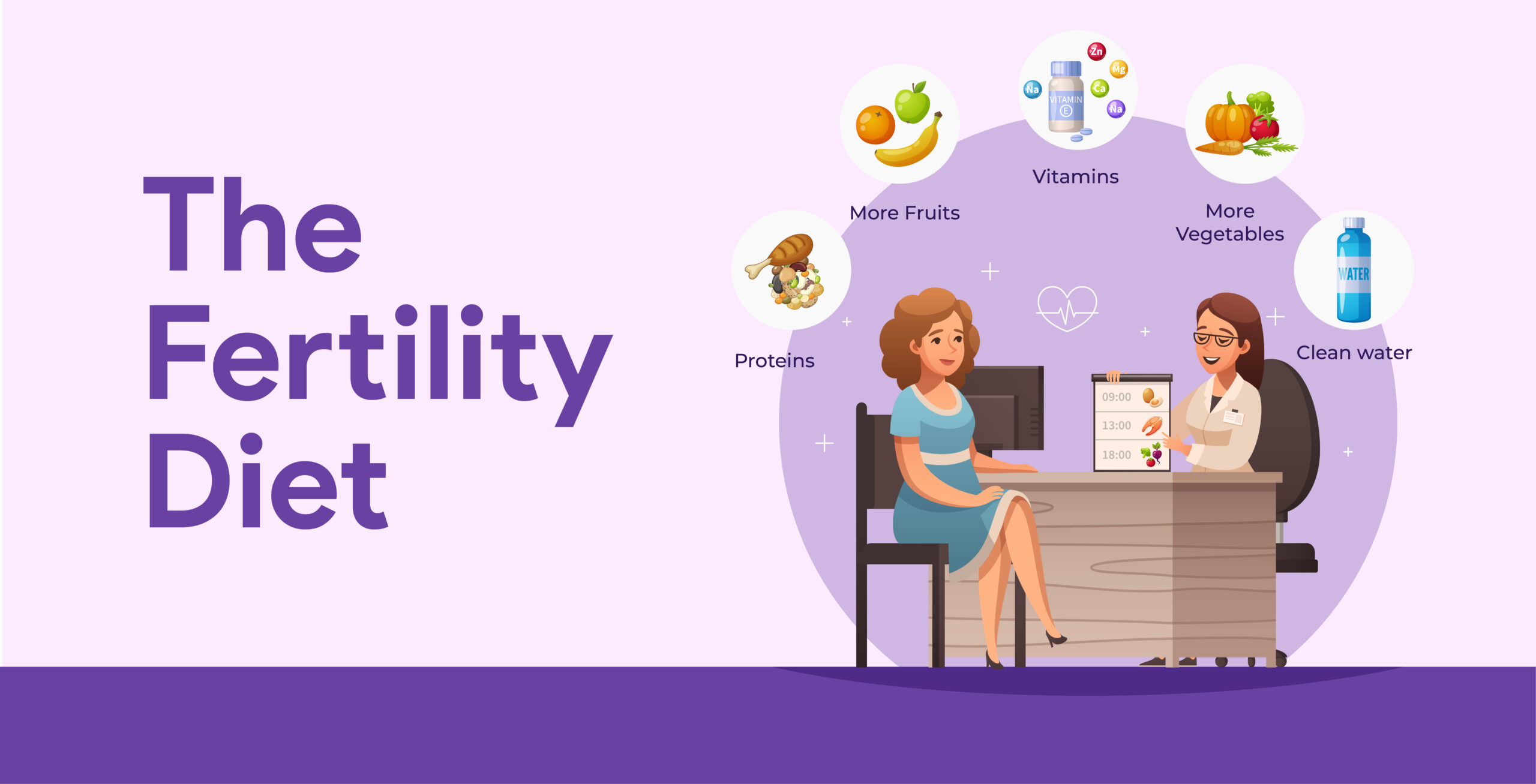
It is often asked if eating certain foods can impact fertility. Research has shown a strong correlation between body weight, nutrient deficiencies and antioxidant levels and fertility, so what you eat can impact your ability to conceive.
The Fertility Diet.
Even though you might be fit and eat “healthy,” your version of a healthy diet may not be ideal for conception. The fertility diet includes foods that are dense in specific nutrients needed for hormonal function, fetal development, egg health, and sperm health. It is designed to help your body to balance fertility issues that may exist, build up nutrient stores and provide all of the building blocks for a healthy child.
Here are our diet recommendations, for men and women, in preparation for pregnancy and to boost fertility.
Female Diet
Folic Acid
Folic Acid (part of the vitamin B family) is very important for a strong pregnancy and healthy fetal development. Folic acid has been shown not only to decrease the risk of neural tube birth defects like spina bifida, but it has also been shown to reduce other birth defects like congenital heart conditions. Women should eat folate rich foods, such as spinach, beans, chickpeas, lentils and take a vitamin supplement.
Eat Lots of Fruits and Vegetables
Fruits and vegetables not only deliver a wealth of vitamins and minerals, they also overflow with free-radical-busting micronutrients, like phytochemicals and antioxidants. When it comes to color, choose deep or bright hues to ensure high nutrient content. You can eat lots of green leafy vegetables & sprouts.
Fish & Omega-3’s Fatty Acids
Your body needs omega-3 fatty acids for optimal fertility, and fish is the best source.
You do need to be wary of mercury levels in fish. The U.S. Food and Drug Administration (FDA) says that women trying to conceive can safely eat up to 12 ounces (roughly two entrées) a week for example such as shrimp, tuna, salmon, Shrimps etc.
If you’re a vegetarian, vegan, or you just don’t like fish you can get your omega-3 fatty acids from flaxseed, almonds, walnuts, pumpkin seeds, and enriched eggs stores.
Eat Complex Carbs vs. Refined Carbs
Digesting refined carbohydrates causes an increase in blood sugar and insulin in the body — and increased insulin levels can disrupt reproductive hormones and mess with the menstrual cycle. Complex carbs take longer to digest and don’t cause spikes in insulin levels. Foods rich in complex carbs include whole grains, fruits, vegetables and legumes.
Avoid Alcohol
The occasional glass of wine or bottle of beer probably won’t hurt your odds of conceiving. However, people who have irregular cycles or are going through infertility treatments should avoid alcohol all together.
Cut Out Caffeine
Caffeine constricts blood vessels, slowing blood flow to the uterus so limit your coffee intake.
Avoid unhealthy fats (trans fats and hydrogenated oils), refined sugars and canned fruit juices
DRINK PLENTY OF WATER!
Male Fertility Diet
Eat food rich in vitamin C and other antioxidants
These nutrients help prevent sperm defects and boost motility. Guava, red peppers, green peppers, kiwi Lemon, and oranges are all high in vitamin C and antioxidants.
Zinc
Zinc is a key mineral for cell division, which helps with sperm production. Pumpkin seeds, oysters, garlic, dark chocolate and sesame seeds are high in zinc.
Folic acid
Men who are thinking about becoming fathers should increase their folate intake, which can be done by eating more folate rich foods, such as spinach, beans, chickpeas, and lentils, or taking a vitamin supplement.
Avoid Alcohol, Tobacco, Smoking
While an occasional drink is generally considered safe, studies show that daily wine, beer, or hard liquor consumption can reduce testosterone levels and sperm counts and raise the number of abnormal sperm.
Schedule a Consultation
The Gynaeworld IVF & Fertility Center Pune
Phone No: +919370090000 / +91 9260040000
Address: 1066-A, Chatushrungi Rd, near Om super market, Model Colony, Shivajinagar, Pune,
Maharashtra 411016